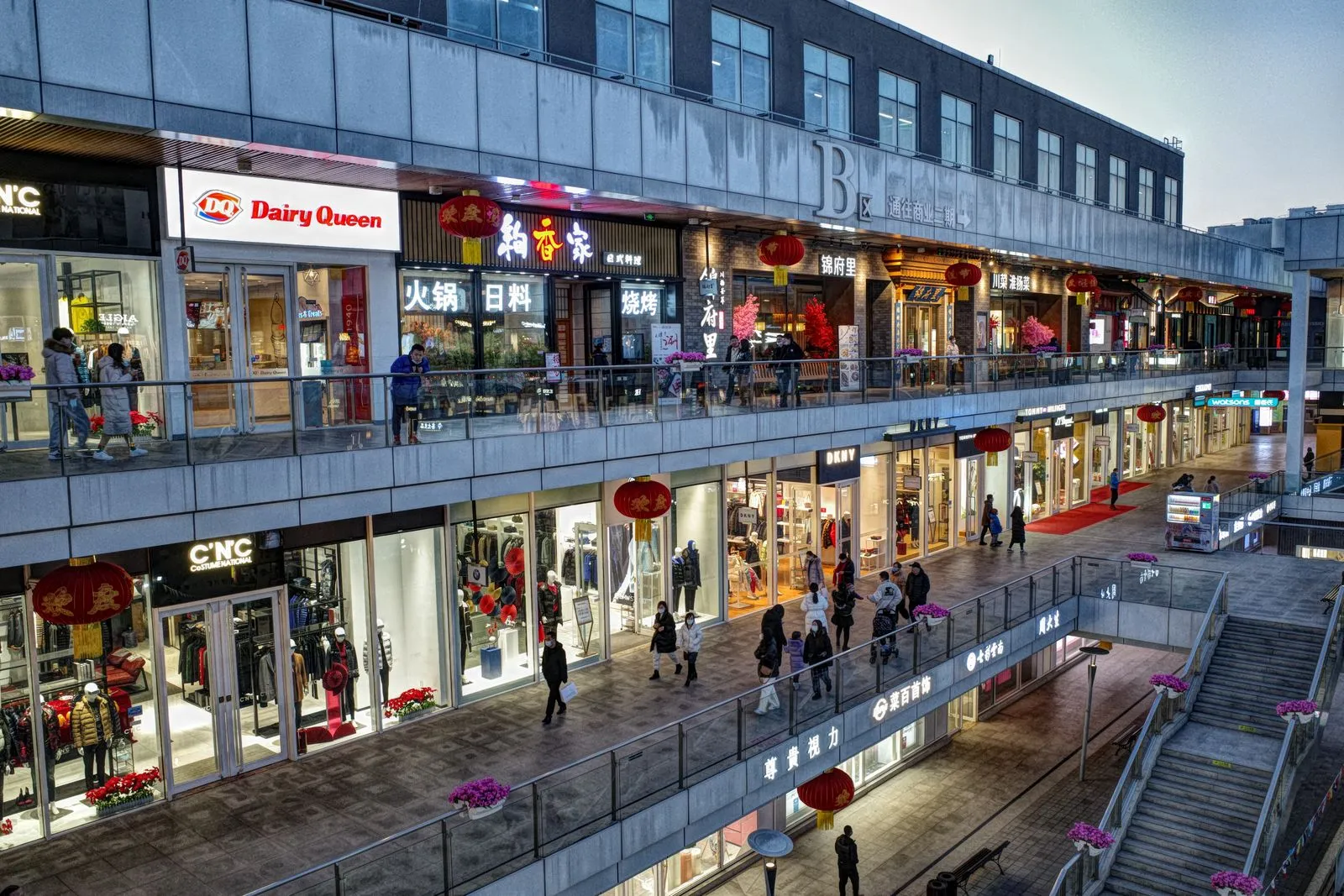
What is retail software development?
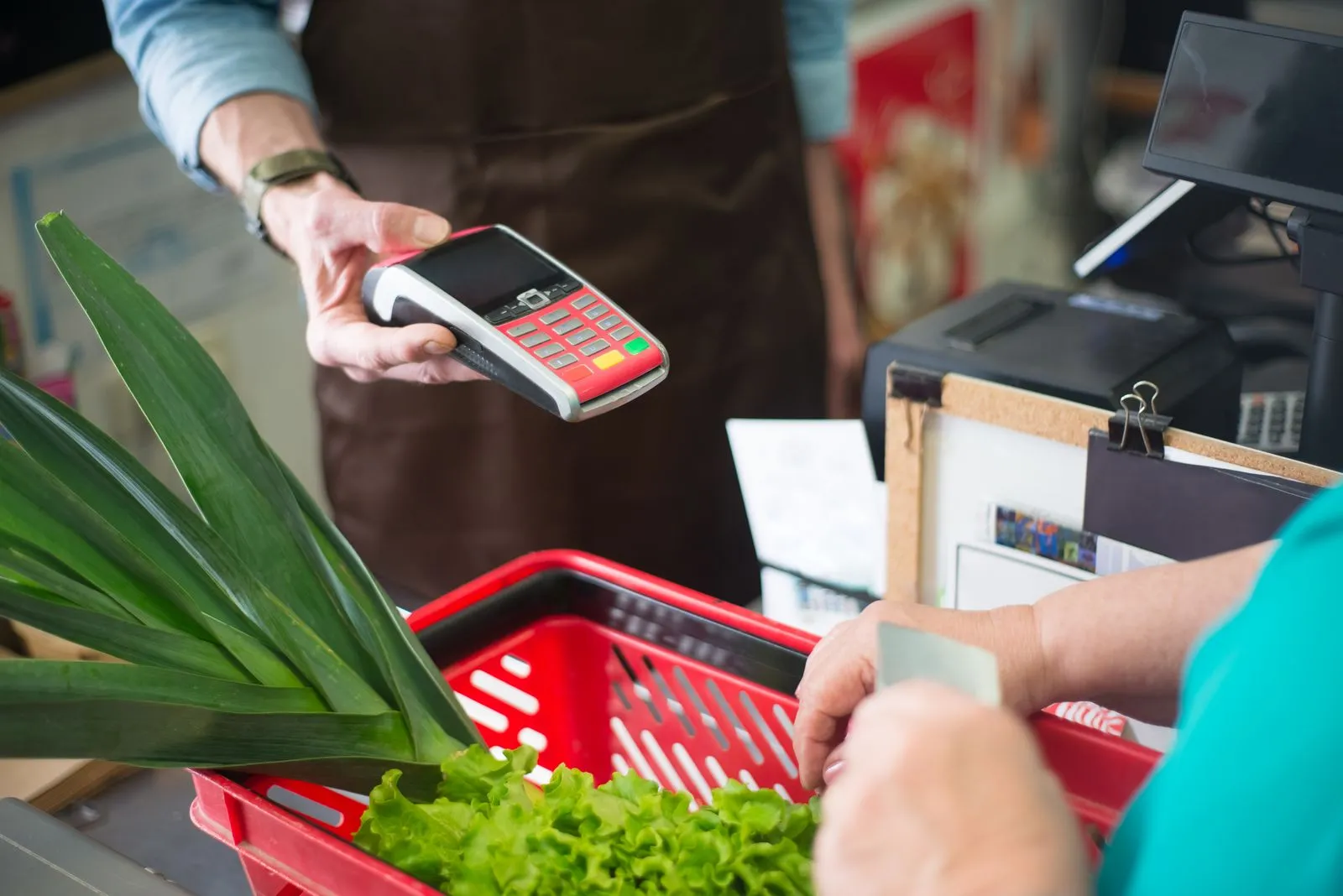
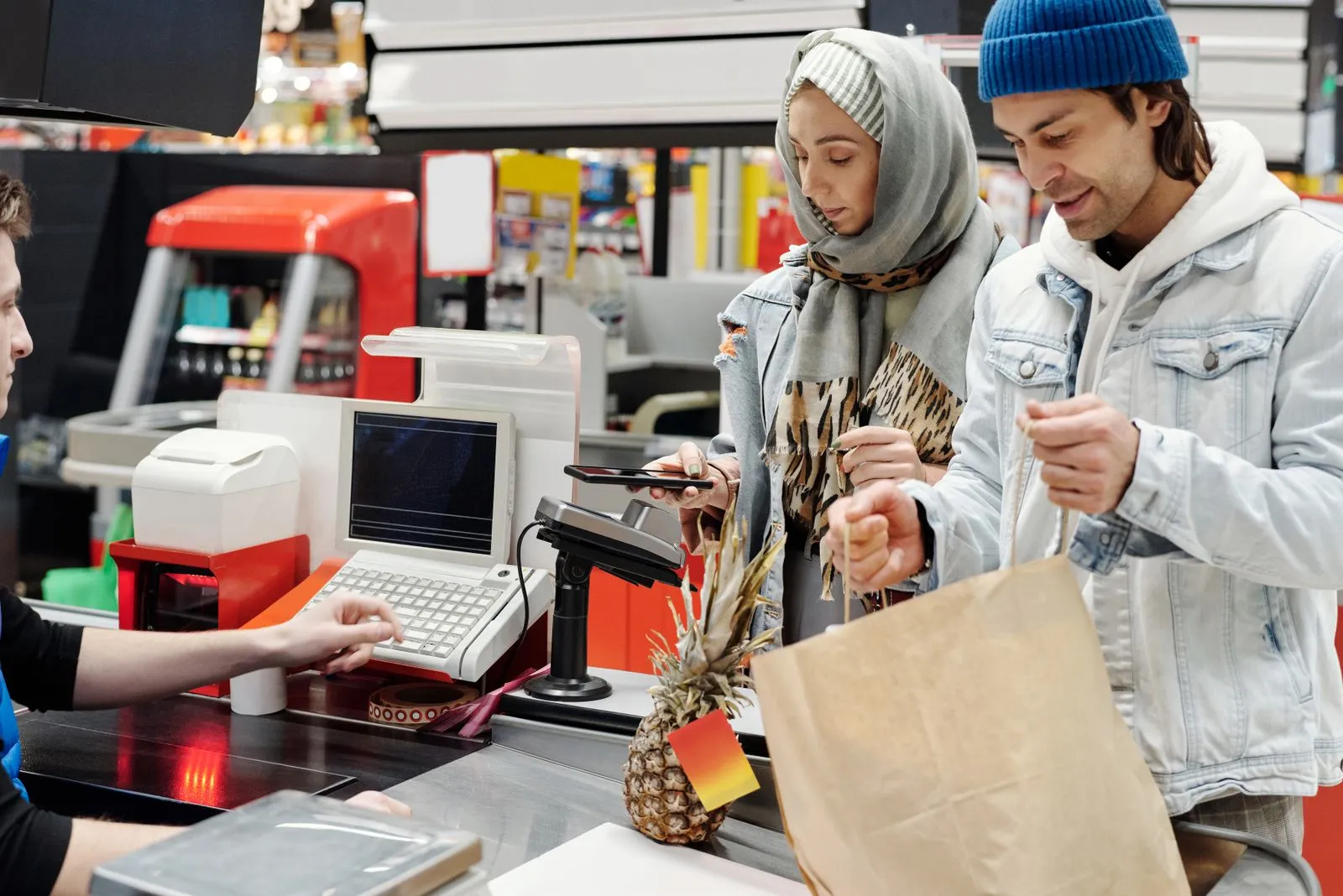
Retail software development is the building of custom or specialised software that runs a retail business across its channels — a shop, a chain, an online store, or all of them at once. It typically spans retail POS software for the shop floor, eCommerce and online storefronts, inventory management software, order management and fulfilment, customer and loyalty systems, and retail analytics, connecting the whole path from a shopper picking up a product to the sale, the stock update and the customer record behind it.
The part that decides success is usually whether the software keeps one source of truth for stock and for the customer across every channel. Retailers now sell in store, online, on marketplaces and through apps, and when each channel keeps its own count, the systems stop agreeing — which shows up as overselling, cancelled orders, stockouts and forced markdowns. Avaib has delivered software across more than 600 projects since 2004, including POS, eCommerce, inventory and order-management systems, so the way a shop actually trades is understood before the build starts.
How do you stop overselling across store, website and marketplaces?
By putting every channel on one live stock pool instead of letting each keep its own count. The moment an item is ordered anywhere — the till, the website, a marketplace — the stock is reserved against that single pool, so no other channel can promise the same unit. That one change removes the biggest cause of oversold orders and the cancellations and apologies that follow.
The same source of truth also keeps the picture honest the other way: stock that exists in a stockroom or another store becomes available to sell online instead of sitting idle. So you both stop overselling what you do not have and stop under-selling what you do — which across a busy trading period is real money either way.
Can you integrate our POS, eCommerce, warehouse and accounting?
Yes, and it is usually the most valuable part of the build. The gap between a POS, an online store, a marketplace feed, a warehouse system and an accounting package is exactly where stock counts and orders drift apart. So integration is where we put our senior people first — connecting those systems so an order, a stock level and a customer are one record everywhere, entered once and consistent end to end.
Where you already run tools that work well, we integrate them rather than replace them. Where the gaps are too wide, we build the connected platform. Either way the goal is the same: no sale, unit of stock or customer falling into the space between systems that do not talk.
Should we build custom retail software or buy an off-the-shelf platform?
It depends on how much of your business a packaged platform genuinely covers. For a small, standard shop, a mainstream POS or eCommerce platform may fit well enough. For a retailer with a specific range, pricing or promotion model, an unusual fulfilment setup, or multiple channels that need to stay in step, off-the-shelf tools rarely fit — which shows up as staff working in spreadsheets, channels that disagree and per-transaction fees that climb as you grow.
Where a platform almost fits, the smart move is often to extend and integrate it rather than replace it. Where the gap is too wide, custom software gives you a system that matches how you really trade, without paying a growing cut of every sale for a product you use a fraction of. We help you decide honestly which route fits your business and your budget.
Will the software hold up on our busiest trading days?
That is exactly what we design for, because peak trading is when retail software is really tested. A checkout, a stock system and a set of integrations that cope on a quiet Tuesday can all fall over under a sale-day or viral-moment rush — and that is the one time every sale counts. So we build and load-test the checkout, payment path, stock reservation and integrations for your busiest hour, not your average one.
We also design the links between systems to catch up cleanly after a spike, so nothing is silently dropped when volume multiplies, and we give your team one connected view of orders, stock and customers so they can handle peak demand without switching between five screens. The days that make your year should not be the days your systems break.
How do you give us one view of the customer across channels?
By building a single customer record that every channel shares, rather than a separate list per system. When a shopper buys in store, on the site, in the app or through a marketplace, it is the same person with one history, one set of preferences and one loyalty balance — so they are recognised everywhere instead of being a new stranger on each channel.
That single record is what actually makes loyalty schemes, targeted offers and repeat marketing work, because you can see the whole relationship rather than fragments of it. It also means the customer data stays yours, in your platform, instead of being locked inside a third-party product under its own terms.
How much does retail software development cost?
It depends on scope — a single online store is a different job from a full omnichannel platform tying together stores, warehouse, marketplaces and loyalty. Rather than quote a number blind, we scope the work with you and give a fixed, plain-language price for a clearly defined build, so there are no surprises once development starts.
You get enterprise-grade retail software without the enterprise price tag, because of how we deliver: senior engineers from around USD 25 per hour bring the same capability Australian, US, Canadian and Middle-East retailers pay a premium for, at a fraction of the price. We send a free, no-obligation written estimate with a clear scope so you can decide with real numbers in front of you.
Will we own the software and the customer data you build?
Yes, completely. You own the code, the data and the integrations throughout, so the platform you paid for, and the customer list inside it, are yours to run, extend or move to another team whenever you choose.
Our work is backed by a 30-day warranty and ongoing support if you want it, but you are never locked in, and there is no per-transaction cut or per-seat price climbing every year as your trading grows. The relationship continues because the software keeps earning its place in your business, not because leaving would cost you the system your shop runs on.