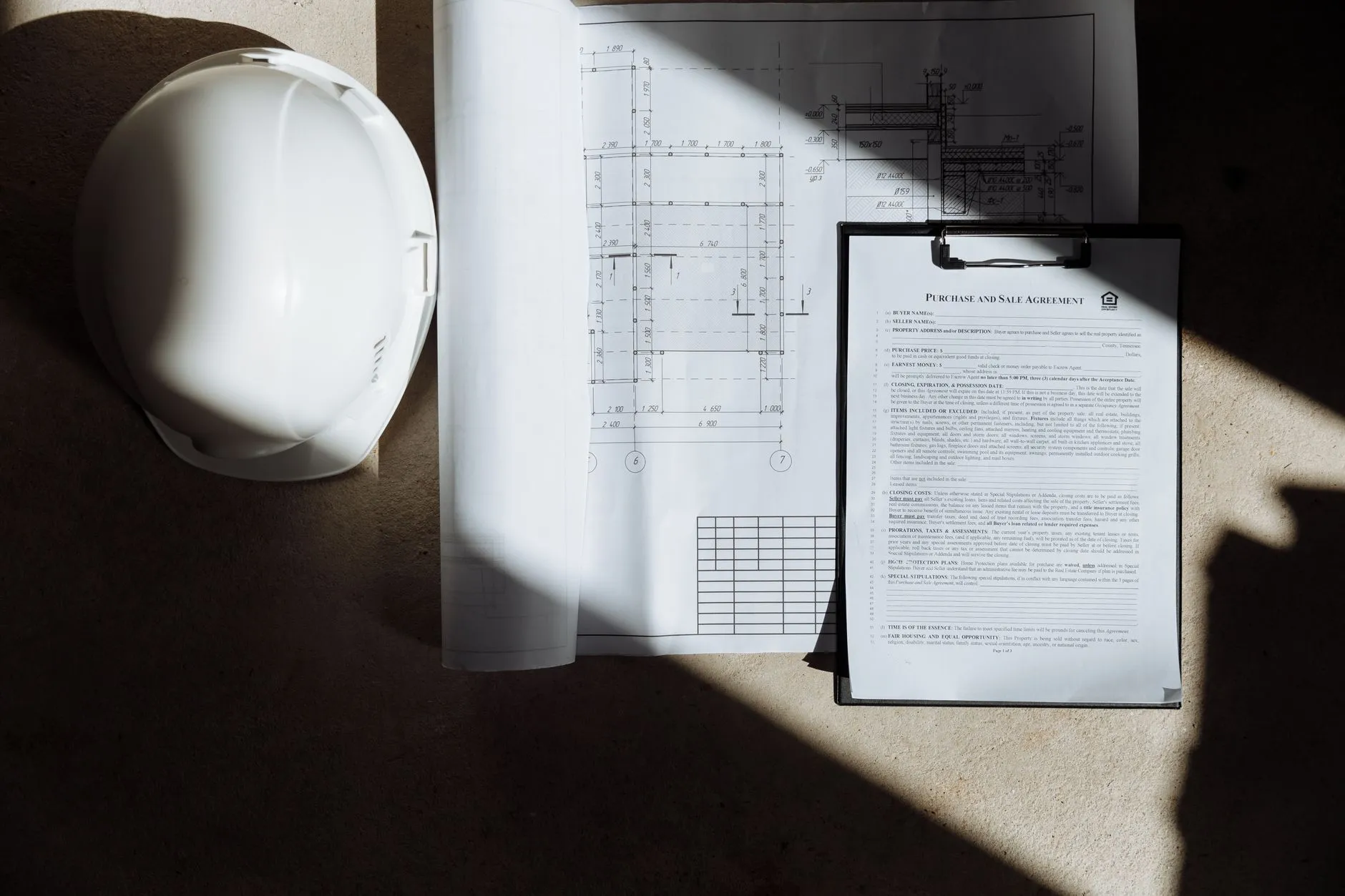
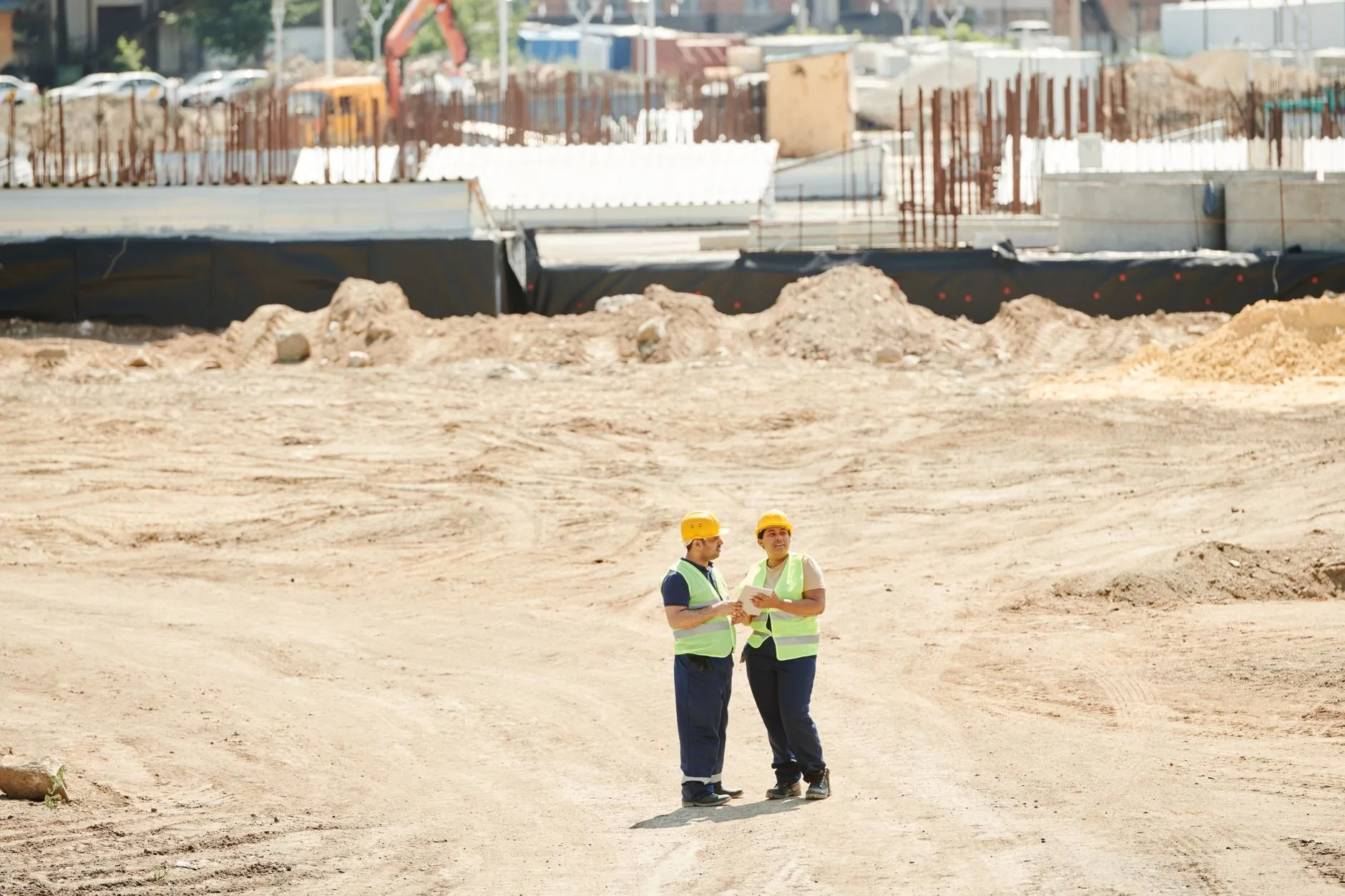
What is construction software development?
Construction software development is the practice of building custom software shaped around how a specific construction business actually runs — its estimating, its jobs, the flow between the office and the site, and the accounting, payroll and supplier systems it already uses — rather than forcing the business to fit a generic tool. It covers construction and project management platforms, estimating and takeoff tools, offline-first field and site apps, job costing, scheduling and subcontractor coordination, and safety, compliance and defect tracking.
The part that decides success is usually the connection between the field and the office: work, costs and problems happen on site in real time, and if that data does not reach the office cleanly, the business is always managing yesterday. Avaib has delivered software across more than 600 projects since 2004, including project, estimating, field and job-costing systems, so the operational reality of construction is understood before the build starts.
Why do off-the-shelf construction platforms fall short for so many firms?
Because the big platforms are built and priced for the general contractor on a large job. A builder, a subbie or a specialist trade ends up paying for modules they never open, on a per-seat or per-volume price that climbs every year, while the parts that matter for their business are missing or awkward. That is why so many firms buy a platform, use a fraction of it, and keep the rest of the work in spreadsheets.
The other common failure is shallow integration and a weak field app: the software does not really talk to the accounting package, and the crew on site abandons it because it adds a login and gives them nothing back. Custom software fixes both — it is built around what your business actually runs on, and around what the field will actually use.
Can you connect our software to QuickBooks, Xero or Sage?
Yes. Most of the pain in construction software comes from the office-to-site and the software-to-accounting gaps, so integration is where we put our senior people first. We build proper two-way links to QuickBooks, Xero or Sage, and to payroll and supplier systems, so estimates, costs, change orders and invoices move once and match on both sides.
This is exactly where off-the-shelf tools tend to fall down — one-way syncs that still leave change orders and subcontractor payments to be keyed in twice. We build the integration to hold up against how those systems really behave, so your job costing and your accounts stay in agreement.
Will the app work on site with no signal?
Yes. We build the field app offline-first, because a lot of construction happens where there is no coverage — basements, rural blocks, behind concrete and steel. The crew can record hours, photos, materials, variations and defects with no signal at all, and everything syncs the moment a bar of reception returns.
This matters more than it sounds. A field tool that spins and times out gets abandoned after two or three tries, and the crew goes back to paper. Building offline-first from the start is what keeps the data flowing and keeps the office out of the dark.
How does live job costing help me make more money?
Construction runs on single-digit margins, so the difference between a profitable job and a loss is often a leak you did not catch in time. When job costing lands weeks after the work, the profit is already gone. We tie labour, materials, subcontractors and change orders together so costs roll up as they happen.
That means you can see whether a job is tracking to budget while there is still time to act — reallocate a crew, chase a variation, fix a rate — instead of finding out at handover that a job lost money. Catching a leak in week two rather than at the end is where the return on the software usually comes from.
Should we build custom or use an off-the-shelf construction platform?
It depends on how much of your business a packaged product genuinely covers. For a large head contractor, an enterprise platform may fit well. For a builder, a subbie or a trade with a specific way of working, off-the-shelf tools rarely fit the estimating, the job costing and the office-to-site flow that make the business yours — which shows up as spreadsheets, double entry and a crew that ignores the app.
Where a packaged product almost fits, the smart move is often to extend and integrate it rather than replace it. Where the gap is too wide, custom software gives you a system that matches how you really run, without paying every year for features you never use. We help you decide honestly which route fits your business and your budget.
Can you handle safety, compliance and defect tracking?
Yes. SWMS and inductions, safety checklists, certifications, defect and snagging lists and defect-liability tracking can all live in the same system as the rest of the job, built for the trade doing the work rather than bolted onto a platform designed for the head contractor.
Because it is captured on site in the same app the crew already uses, compliance stops being a separate paperwork exercise and becomes part of the daily flow — which means the records are actually there when you need them for an audit, a claim or a handover.
Will we own the software you build?
Yes, completely. You own the code, the data and the integrations throughout, so the construction system you paid for, and the wiring that connects it to your accounts, payroll and suppliers, are yours to run, extend or move to another team whenever you choose.
Our work is backed by a 30-day warranty and ongoing support if you want it, but you are never locked in and there is no per-seat price climbing every year. The relationship continues because the software keeps earning its place on your jobs, not because leaving would cost you the system that runs your business.