What is logistics software development?
Logistics software development is the practice of building custom software shaped around how a specific operation actually moves freight — its order channels, routes, warehouse flow, fleet and the systems and carriers it already runs — rather than forcing a business to fit a generic tool. It covers transport management systems (TMS), warehouse and inventory systems (WMS), fleet and route optimisation, real-time tracking and supply-chain visibility, and the carrier, EDI and telematics integrations that connect them.
The part that decides success is usually integration: a logistics platform almost never lives alone, so a TMS has to exchange data in real time with a WMS, an ERP, carrier rate engines and telematics, each with its own format and failure mode. Avaib has delivered software across more than 600 projects since 2004, including transport, warehouse, tracking and fleet systems, so the operational reality of logistics is understood before the build starts.
Why do so many logistics software projects fail on integration?
Because in logistics the feature is rarely where projects break — the connections are. A single shipment touches order systems, a TMS, a WMS, an ERP, telematics devices, carrier APIs and often EDI trading partners, and each of those speaks a different format and fails in a different way. When the integrations are treated as an afterthought, the data drifts out of sync and the whole platform loses trust.
We design integration-first: we map every system a shipment touches at the start, build a single source of truth, and test the connections against how those platforms actually behave in production. That is why we put our senior people on the wiring before the features.
Can you integrate with our existing TMS, WMS, ERP and carriers?
Yes. Most of the value in logistics software comes from connecting the systems that already hold pieces of the operation — your TMS, WMS, ERP and order systems, plus telematics, carrier APIs and rating engines and any EDI trading partners — so a status changes once and updates everywhere instead of being re-keyed between portals.
We work with the standards logistics runs on, including EDI (X12 and EDIFACT), carrier and rating APIs and telematics feeds, and we build against how these systems behave in a live setting, so the integration holds up under real freight volume rather than only in a demo.
Should we build custom or use an off-the-shelf logistics platform?
It depends on how much of your operation a packaged product genuinely covers. Off-the-shelf TMS and WMS handle the common ground, but rarely fit the specific freight types, routes, warehouse layout and rules that make your operation yours, which shows up as workarounds, spreadsheets and staff reconciling systems by hand.
Where a packaged product almost fits, the smart move is often to extend and integrate it rather than replace it. Where the gap is too wide, custom logistics software gives you a system that matches how you really run. We help you decide honestly which route fits your operation and your budget.
How do you give real-time visibility across the supply chain?
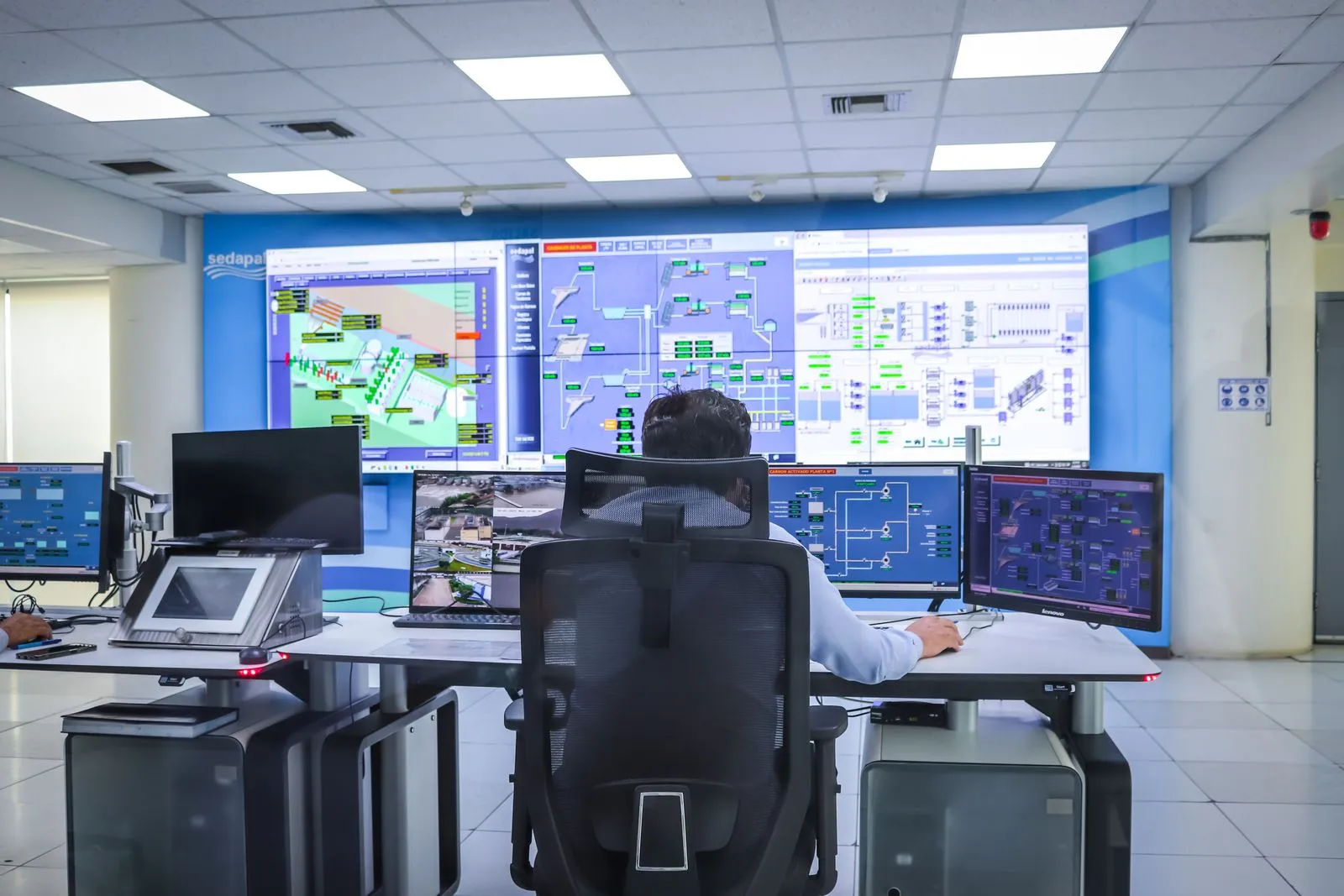
We pull the signals that already exist — telematics and GPS from vehicles, status feeds from carriers, and scan events from the warehouse — into one control-tower view, so your team works from a single live picture instead of opening five systems and reconciling the differences.
From that same picture we expose the right slice to your customers through a portal or app, so they can see where an order is and when it will arrive. Exceptions such as delays or failed deliveries are flagged the moment they happen, so your team acts early rather than discovering the problem in tomorrow’s report.
How much does logistics software development cost?
It depends on the scope, since a single focused tool — say a driver app or one carrier integration — is very different from a full TMS or WMS with many integrations. That is why we scope the work clearly up front and give you a fixed, plain-language quote before any development starts, so there are no open-ended surprises.
Our senior engineers work at a cost-effective rate of around USD 25 per hour, the same capability Australian, US, Canadian and Middle-East firms charge a fortune for, and AI-accelerated delivery helps get you there faster. After a short conversation we will send you a free, no-obligation written estimate with a clear scope.
How do you handle logistics edge cases like split loads and failed deliveries?
The edge cases are the heart of logistics software, not an afterthought — split and partial loads, multi-leg routes, failed drops, re-deliveries, carrier exceptions and returns all have to be handled cleanly or the data breaks. Because our senior specialists have built transport, warehouse and tracking systems before, those cases are designed in from the start.
Our dedicated QA department tests every release against real scenarios like these, not just the happy path, so the awkward cases are caught in testing rather than discovered on the road.
Will we own the software you build?
Yes, completely. You own the code, the data and the integrations throughout, so the logistics platform you paid for, and the wiring that connects it to your carriers and systems, are yours to run, extend or move to another team whenever you choose.
Our work is backed by a 30-day warranty and ongoing support if you want it, but you are never locked in. The relationship continues because it keeps delivering value in your operation, not because leaving would cost you the software that runs your freight.